5 Best Classic English Poets

Here at Sparks of Calliope, we define “classic” poets as poets who are widely read, have been studied academically, and whose work is in the public domain. Classic is commonly defined as “a body of work of recognized and established value.” This is not to be confused with the other definition of classic as involving the study of Ancient Greek and Latin literature. Here is a quick list of the top 5 British classic poets with links to biographies and a couple of samples from each. We would love to get your take on this order in the comments!

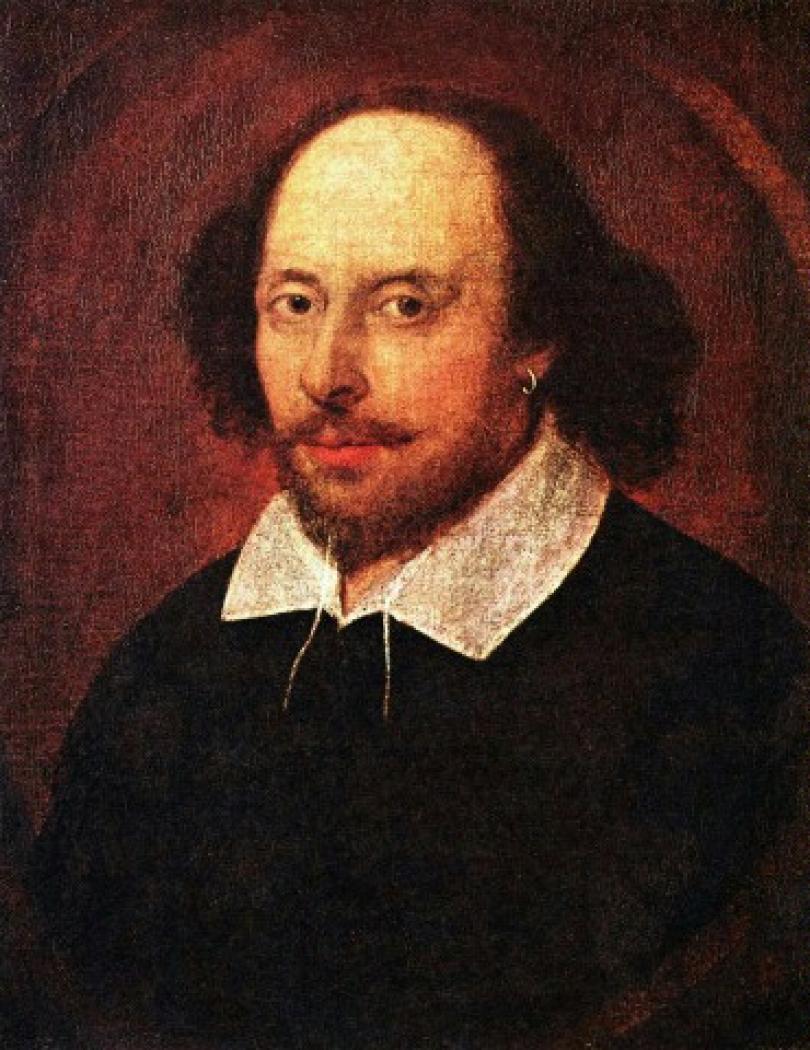
  1. William Shakespeare (1564-1616)

Undoubtedly the most famous poet of all time in the English-speaking world, William Shakespeare’s works are still being reproduced, adapted, and referenced in popular culture more than 400 years after his death. His famous plays overshadow his poetry, but do not detract from his recognition as a skillful poet in his own right. His literary influence on Western Civilization can hardly be overstated. We chose to feature “Sonnet 116” and “Sonnet 18” as two of his most popular poems.

2. George Gordon Byron, 6th Baron Byron (1788-1824)
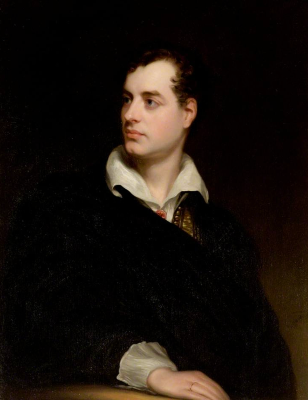
Lord Byron was the English version of Giacomo Casanova. Most famous for his lengthy poem entitled “Don Juan,” we chose “She Walks in Beauty” and “And Thou Art Dead, as Young and Fair” to represent the best of his work. Despite his current place of esteem in the hearts of his countrymen, his unpopularity with certain portions of the population during his lifetime led him to self-exile, and he died from illness while fighting the Turks in the Greek War of Independence.

3. John Keats (1795-1821)
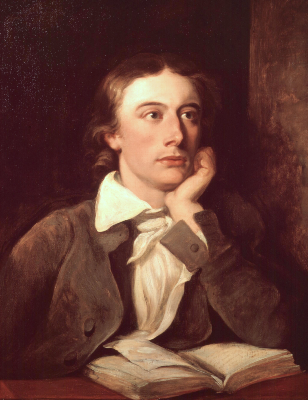
Admired for literary works of profound depth despite his young age and short time on this earth, John Keats is the poster child for the Romantic movement. We chose “Ode to a Nightingale” and “Ode to a Grecian Urn” to demonstrate his emotional depth and skillful use of imagery. While his life was cut short due to tuberculosis–he died at the age of 25–he nevertheless managed to write works which continue to inspire and earn him a place among the top five British poets of all time.

4. Percy Bysshe Shelley (1792-1822)
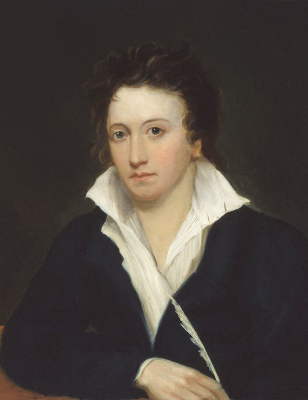
Described by one modern critic as “a lyric poet without rival,” Percy Shelley’s place as one of the best all-time classic British poets is not undisputed. Both T. S. Elliot and W. H. Auden are on record as fierce critics of his work. The notorious historical figure Karl Marx, on the other hand, was said to be an admirer. An atheist and political activist, Percy Shelley did not live to see much of his work published. However, the quality of his work earns him a place on our list. We chose “Ozymandias” and “To a Skylark” to showcase his talent.

5. John Milton (1608-1674)
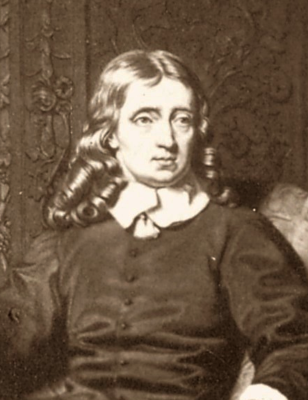
His most famous work, Paradise Lost, is so lengthy that seldom appears in samplings such as this; however, John Milton wrote shorter poems that are worthy examples of his abilities. He wrote his poems from a position of deeply-held religious beliefs and with a highly educated background. His works are highly intellectual if not profoundly philosophical, exploring themes such as divine justice and individual liberty along with other aspects of human existence. We decided upon “An Epitaph on the Admirable Dramatic Poet W. Shakespeare” and “On His Blindness” to highlight his writing ability.

Did we get our order right? What would yours be instead? How would you round out the top 10? We look forward to reading your comments!

Two Poems by John Keats

John_Keats_by_William_HiltonDead from tuberculosis by the age of 25, British poet John Keats (1795-1821) nonetheless has become second perhaps only to William Shakespeare as a renowned poet of classical English literature. He is, to the present day, looked upon with reverence as an inspiration to the craft. Regarded as among the most skilled of the Romantics, Keats’ poetry is noted as being heavily loaded with emotion, most often expressed through natural imagery. Keats is one of the many poets whose work was only fully appreciated after his death. The poems below, “Ode to a Nightingale” and “Ode to a Grecian Urn,” are two of his most celebrated works.

Ode to a Nightingale

My heart aches, and a drowsy numbness pains
    My sense, as though of hemlock I had drunk,
Or emptied some dull opiate to the drains
    One minute past, and Lethe-wards had sunk:
'Tis not through envy of thy happy lot,
    But being too happy in thine happiness,—
        That thou, light-winged Dryad of the trees,
                In some melodious plot
    Of beechen green, and shadows numberless,
        Singest of summer in full-throated ease.

Darkling I listen; and, for many a time
    I have been half in love with easeful Death,
Call'd him soft names in many a mused rhyme,
    To take into the air my quiet breath;
        Now more than ever seems it rich to die,
    To cease upon the midnight with no pain,
        While thou art pouring forth thy soul abroad
                In such an ecstasy!
    Still wouldst thou sing, and I have ears in vain—
    To thy high requiem become a sod.

Ode to a Grecian Urn

Thou still unravish'd bride of quietness,
       Thou foster-child of silence and slow time,
Sylvan historian, who canst thus express
       A flowery tale more sweetly than our rhyme:
What leaf-fring'd legend haunts about thy shape
       Of deities or mortals, or of both,
               In Tempe or the dales of Arcady?
       What men or gods are these? What maidens loth?
What mad pursuit? What struggle to escape?
               What pipes and timbrels? What wild ecstasy?

Heard melodies are sweet, but those unheard
       Are sweeter; therefore, ye soft pipes, play on;
Not to the sensual ear, but, more endear'd,
       Pipe to the spirit ditties of no tone:
Fair youth, beneath the trees, thou canst not leave
       Thy song, nor ever can those trees be bare;
               Bold Lover, never, never canst thou kiss,
Though winning near the goal yet, do not grieve;
       She cannot fade, though thou hast not thy bliss,
               For ever wilt thou love, and she be fair!

Ah, happy, happy boughs! that cannot shed
         Your leaves, nor ever bid the Spring adieu;
And, happy melodist, unwearied,
         For ever piping songs for ever new;
More happy love! more happy, happy love!
         For ever warm and still to be enjoy'd,
                For ever panting, and for ever young;
All breathing human passion far above,
         That leaves a heart high-sorrowful and cloy'd,
                A burning forehead, and a parching tongue.

Who are these coming to the sacrifice?
         To what green altar, O mysterious priest,
Lead'st thou that heifer lowing at the skies,
         And all her silken flanks with garlands drest?
What little town by river or sea shore,
         Or mountain-built with peaceful citadel,
                Is emptied of this folk, this pious morn?
And, little town, thy streets for evermore
         Will silent be; and not a soul to tell
                Why thou art desolate, can e'er return.

O Attic shape! Fair attitude! with brede
         Of marble men and maidens overwrought,
With forest branches and the trodden weed;
         Thou, silent form, dost tease us out of thought
As doth eternity: Cold Pastoral!
         When old age shall this generation waste,
                Thou shalt remain, in midst of other woe
Than ours, a friend to man, to whom thou say'st,
         "Beauty is truth, truth beauty,—that is all
                Ye know on earth, and all ye need to know."