5 Best Classic English Poets

Here at Sparks of Calliope, we define “classic” poets as poets who are widely read, have been studied academically, and whose work is in the public domain. Classic is commonly defined as “a body of work of recognized and established value.” This is not to be confused with the other definition of classic as involving the study of Ancient Greek and Latin literature. Here is a quick list of the top 5 British classic poets with links to biographies and a couple of samples from each. We would love to get your take on this order in the comments!

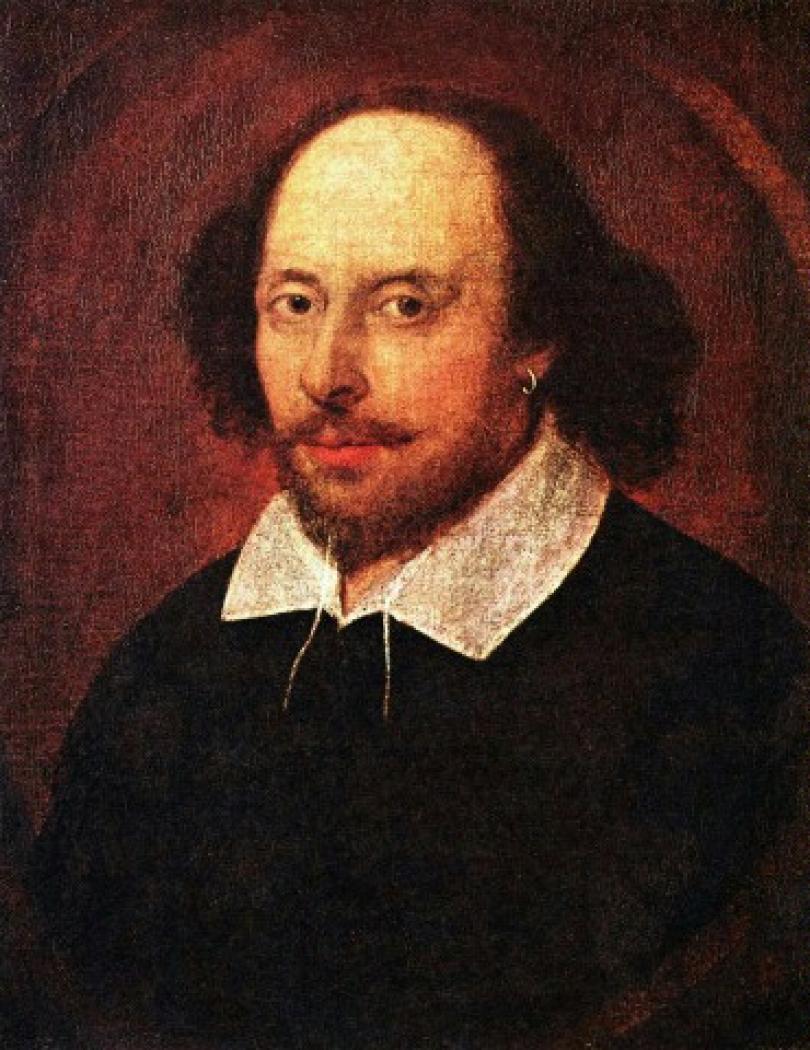
  1. William Shakespeare (1564-1616)

Undoubtedly the most famous poet of all time in the English-speaking world, William Shakespeare’s works are still being reproduced, adapted, and referenced in popular culture more than 400 years after his death. His famous plays overshadow his poetry, but do not detract from his recognition as a skillful poet in his own right. His literary influence on Western Civilization can hardly be overstated. We chose to feature “Sonnet 116” and “Sonnet 18” as two of his most popular poems.

2. George Gordon Byron, 6th Baron Byron (1788-1824)
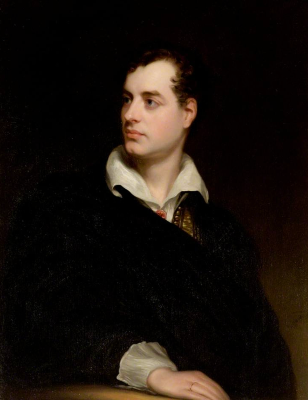
Lord Byron was the English version of Giacomo Casanova. Most famous for his lengthy poem entitled “Don Juan,” we chose “She Walks in Beauty” and “And Thou Art Dead, as Young and Fair” to represent the best of his work. Despite his current place of esteem in the hearts of his countrymen, his unpopularity with certain portions of the population during his lifetime led him to self-exile, and he died from illness while fighting the Turks in the Greek War of Independence.

3. John Keats (1795-1821)
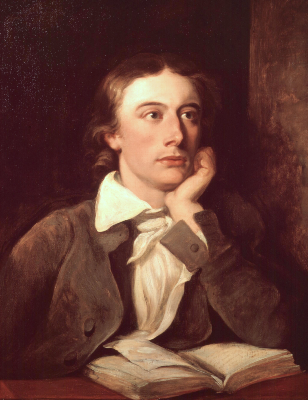
Admired for literary works of profound depth despite his young age and short time on this earth, John Keats is the poster child for the Romantic movement. We chose “Ode to a Nightingale” and “Ode to a Grecian Urn” to demonstrate his emotional depth and skillful use of imagery. While his life was cut short due to tuberculosis–he died at the age of 25–he nevertheless managed to write works which continue to inspire and earn him a place among the top five British poets of all time.

4. Percy Bysshe Shelley (1792-1822)
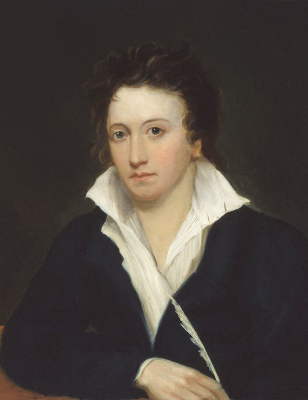
Described by one modern critic as “a lyric poet without rival,” Percy Shelley’s place as one of the best all-time classic British poets is not undisputed. Both T. S. Elliot and W. H. Auden are on record as fierce critics of his work. The notorious historical figure Karl Marx, on the other hand, was said to be an admirer. An atheist and political activist, Percy Shelley did not live to see much of his work published. However, the quality of his work earns him a place on our list. We chose “Ozymandias” and “To a Skylark” to showcase his talent.

5. John Milton (1608-1674)
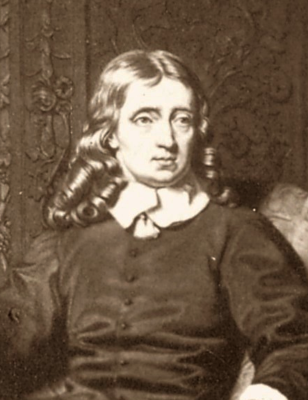
His most famous work, Paradise Lost, is so lengthy that seldom appears in samplings such as this; however, John Milton wrote shorter poems that are worthy examples of his abilities. He wrote his poems from a position of deeply-held religious beliefs and with a highly educated background. His works are highly intellectual if not profoundly philosophical, exploring themes such as divine justice and individual liberty along with other aspects of human existence. We decided upon “An Epitaph on the Admirable Dramatic Poet W. Shakespeare” and “On His Blindness” to highlight his writing ability.

Did we get our order right? What would yours be instead? How would you round out the top 10? We look forward to reading your comments!

Two Poems by George Gordon Byron, 6th Baron Byron

Lord Byron (1788-1824)

Best known just as Lord Byron, British poet George Gordon Byron (1788 -1824) was a contemporary of Percy Bysshe Shelley during the English Romantic period. Byron is best known for poems like “Don Juan” and for his philandering love life.

Byron was notoriously bad at handling his finances and prone to engage in desperate and indiscriminate love affairs, which include rumors of homosexual and incestual encounters.

Byron was quite famous and beloved during the Regency period, enjoying prominence in London society and the rare appreciation not always afforded a poet’s work during their lifetime. However, his money and relationship issues eventually led to his self-imposed exile from England for the remainder of his life. He traveled Europe, tarried in Italy, but ended up dying of illness while fighting against the Turks in the Greek War of Independence. Byron’s body was returned to England for burial in Westminster Abbey, but this burial was refused due to the poet’s “questionable morality.” Byron was ultimately buried in the Church of St. Mary Magdelene, with a memorial to him finally being placed in Westminster Abbey in 1969, 145 years after his death.

Aside from his most famous (and very lengthy) poem, “Don Juan,” the following two poems are among Lord Byron’s most beloved and enduring.


She Walks in Beauty

She walks in beauty, like the night
Of cloudless climes and starry skies;
And all that’s best of dark and bright
Meet in her aspect and her eyes;
Thus mellowed to that tender light
Which heaven to gaudy day denies.

One shade the more, one ray the less,
Had half impaired the nameless grace
Which waves in every raven tress,
Or softly lightens o’er her face;
Where thoughts serenely sweet express,
How pure, how dear their dwelling-place.

And on that cheek, and o’er that brow,
So soft, so calm, yet eloquent,
The smiles that win, the tints that glow,
But tell of days in goodness spent,
A mind at peace with all below,
A heart whose love is innocent!


And Thou art Dead, as Young and Fair

And thou art dead, as young and fair
As aught of mortal birth;
And form so soft, and charms so rare,
Too soon return’d to Earth!
Though Earth receiv’d them in her bed,
And o’er the spot the crowd may tread
In carelessness or mirth,
There is an eye which could not brook
A moment on that grave to look.

I will not ask where thou liest low,
Nor gaze upon the spot;
There flowers or weeds at will may grow,
So I behold them not:
It is enough for me to prove
That what I lov’d, and long must love,
Like common earth can rot;
To me there needs no stone to tell,
‘T is Nothing that I lov’d so well.

Yet did I love thee to the last
As fervently as thou,
Who didst not change through all the past,
And canst not alter now.
The love where Death has set his seal,
Nor age can chill, nor rival steal,
Nor falsehood disavow:
And, what were worse, thou canst not see
Or wrong, or change, or fault in me.

The better days of life were ours;
The worst can be but mine:
The sun that cheers, the storm that lowers,
Shall never more be thine.
The silence of that dreamless sleep
I envy now too much to weep;
Nor need I to repine
That all those charms have pass’d away,
I might have watch’d through long decay.

The flower in ripen’d bloom unmatch’d
Must fall the earliest prey;
Though by no hand untimely snatch’d,
The leaves must drop away:
And yet it were a greater grief
To watch it withering, leaf by leaf,
Than see it pluck’d to-day;
Since earthly eye but ill can bear
To trace the change to foul from fair.

I know not if I could have borne
To see thy beauties fade;
The night that follow’d such a morn
Had worn a deeper shade:
Thy day without a cloud hath pass’d,
And thou wert lovely to the last,
Extinguish’d, not decay’d;
As stars that shoot along the sky
Shine brightest as they fall from high.

As once I wept, if I could weep,
My tears might well be shed,
To think I was not near to keep
One vigil o’er thy bed;
To gaze, how fondly! on thy face,
To fold thee in a faint embrace,
Uphold thy drooping head;
And show that love, however vain,
Nor thou nor I can feel again.

Yet how much less it were to gain,
Though thou hast left me free,
The loveliest things that still remain,
Than thus remember thee!
The all of thine that cannot die
Through dark and dread Eternity
Returns again to me,
And more thy buried love endears
Than aught except its living years.