Here at Sparks of Calliope, we define “classic” poets as poets who are widely read, have been studied academically, and whose work is in the public domain. Classic is commonly defined as “a body of work of recognized and established value.” This is not to be confused with the other definition of classic as involving the study of Ancient Greek and Latin literature. Here is a quick list of the top 5 British classic poets with links to biographies and a couple of samples from each. We would love to get your take on this order in the comments!
- William Shakespeare (1564-1616)
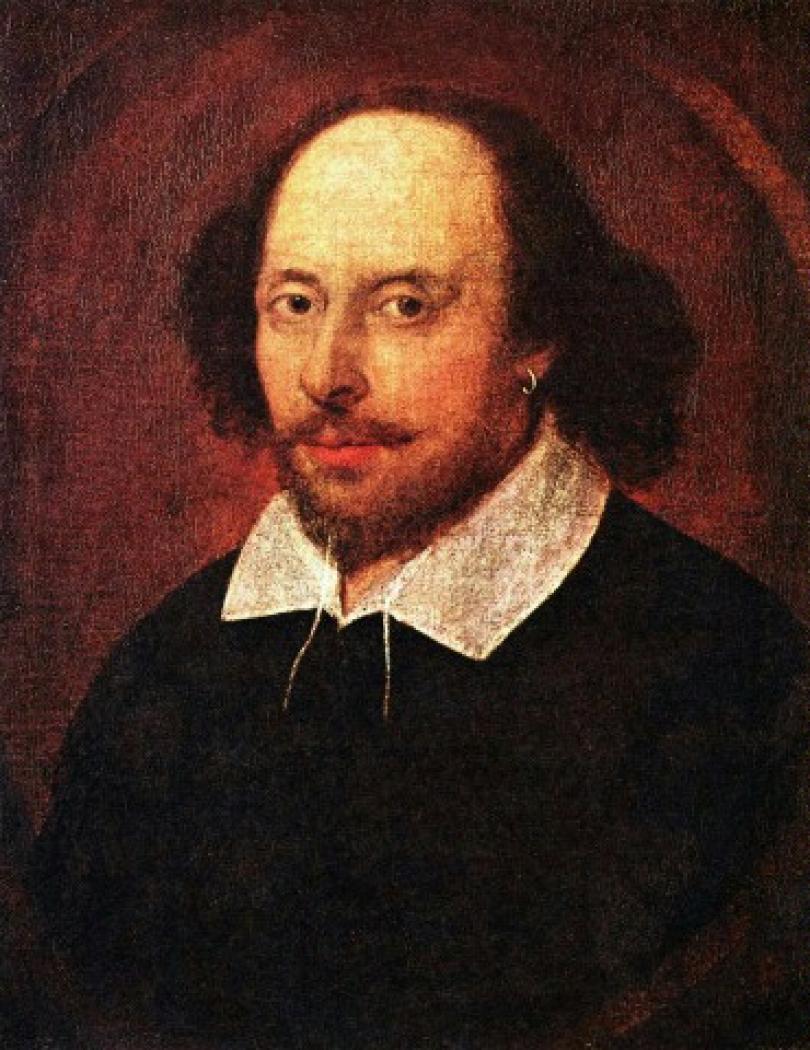
Undoubtedly the most famous poet of all time in the English-speaking world, William Shakespeare’s works are still being reproduced, adapted, and referenced in popular culture more than 400 years after his death. His famous plays overshadow his poetry, but do not detract from his recognition as a skillful poet in his own right. His literary influence on Western Civilization can hardly be overstated. We chose to feature “Sonnet 116” and “Sonnet 18” as two of his most popular poems.
2. George Gordon Byron, 6th Baron Byron (1788-1824)
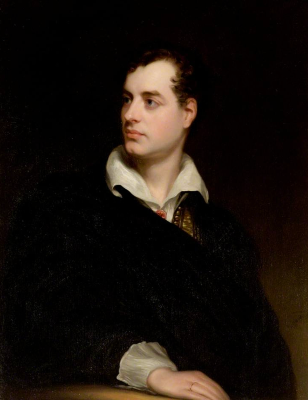
Lord Byron was the English version of Giacomo Casanova. Most famous for his lengthy poem entitled “Don Juan,” we chose “She Walks in Beauty” and “And Thou Art Dead, as Young and Fair” to represent the best of his work. Despite his current place of esteem in the hearts of his countrymen, his unpopularity with certain portions of the population during his lifetime led him to self-exile, and he died from illness while fighting the Turks in the Greek War of Independence.
3. John Keats (1795-1821)
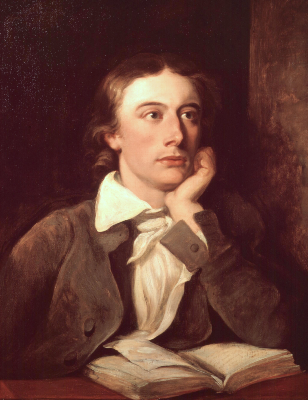
Admired for literary works of profound depth despite his young age and short time on this earth, John Keats is the poster child for the Romantic movement. We chose “Ode to a Nightingale” and “Ode to a Grecian Urn” to demonstrate his emotional depth and skillful use of imagery. While his life was cut short due to tuberculosis–he died at the age of 25–he nevertheless managed to write works which continue to inspire and earn him a place among the top five British poets of all time.
4. Percy Bysshe Shelley (1792-1822)
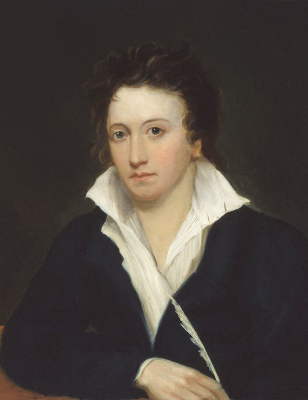
Described by one modern critic as “a lyric poet without rival,” Percy Shelley’s place as one of the best all-time classic British poets is not undisputed. Both T. S. Elliot and W. H. Auden are on record as fierce critics of his work. The notorious historical figure Karl Marx, on the other hand, was said to be an admirer. An atheist and political activist, Percy Shelley did not live to see much of his work published. However, the quality of his work earns him a place on our list. We chose “Ozymandias” and “To a Skylark” to showcase his talent.
5. John Milton (1608-1674)
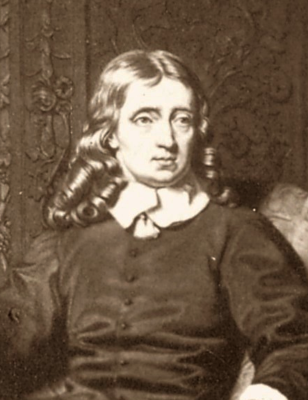
His most famous work, Paradise Lost, is so lengthy that seldom appears in samplings such as this; however, John Milton wrote shorter poems that are worthy examples of his abilities. He wrote his poems from a position of deeply-held religious beliefs and with a highly educated background. His works are highly intellectual if not profoundly philosophical, exploring themes such as divine justice and individual liberty along with other aspects of human existence. We decided upon “An Epitaph on the Admirable Dramatic Poet W. Shakespeare” and “On His Blindness” to highlight his writing ability.
Did we get our order right? What would yours be instead? How would you round out the top 10? We look forward to reading your comments!

 Sparks of Calliope
it’s hard to argue with this list. I was going to suggest W.B. Yeats but since he’s Irish, I guess he wouldn’t qualify.
Looking forward to a similar list of American poets.
LikeLiked by 1 person
I plan on an American list and an Irish list.
LikeLiked by 1 person
I’m a fan of Byron, but I couldn’t rank him higher than William Blake, for the following reasons:
Blake has more great poems.
Blake has more memorable poems. Most readers would be hard-pressed to recite more than the opening lines of “She Walks in Beauty” by Byron.
Blake has the most anthologized poem of all time, “The Tyger.”
Blake has been enormously influential, especially through his influence on singer-songwriters like Bob Dylan, John Lennon and Jim Morrison (the latter named his group the Doors after Blake’s “Doors of Perception”).
Blake was a major influence on Walt Whitman, Allen Ginsberg and the hippies and flower children.
Blake wrote the first poem about racial equality by a major poet, “The Little Black Boy.”
Blake was the first major anti-establishment poet. Blake opposed the three-headed hydra of church, state and modern industry with its “Satanic mills.”
Blake and Charles Dickens, who lived on the same street, helped create the public sentiment to enact child labor laws, helping to end virtual enslavement of orphans by ruthless businessmen. Blake’s touching child chimney-sweep poems being an example.
Blake was arguably England’s greatest prophet and greatest visual artist, as well as being a major poet.
Blake was the first major artist to graphically depict the cruelties of the slave trade.
LikeLiked by 1 person
Lists always have an element of subjectivity about them, Randall, but that said there are objective criteria too. There are only 3 great epic poems in English and Milton wrote the greatest of them, so he should be your no. 2. Spenser, called the Prince of Poets, wrote the second great epic, so should be no 3. Many people would include Wordsworth, but not me; Pope also should get a mention, he is probably the third most cited poet in the language, but I can’t read too much of him now. By English I take you to mean English language poets, and if so I would put Yeats at number 4 since he was an epic poet who never wrote an epic! The fifth position is difficult: a metaphysical poet like Donne or Herbert? Perhaps Keats – a genius, he did write 2 epic poems although neither were finished. But here is an odd suggestion: Coleridge – just for 2 poems only: The Rime of the Ancient Mariner and Kubla Khan; the former poem is virtually unsurpassable in its beauty and brilliance. Thanks for your ideas.
LikeLiked by 1 person